The “A” Myth Revisited
There was a time when I believed something I never said out loud.
I believed that once the book was done, things would finally calm down.
That the pressure would lift. That clarity would arrive. That the work would somehow get lighter.
I didn’t frame it as entitlement. I framed it as logic. Write something meaningful, put it into the world, and naturally the world responds.
That belief felt reasonable. It felt earned. And it was reinforced everywhere.
But it was also wrong.
What I didn’t understand at the time was that I wasn’t believing in the power of the book. I was believing in a myth about what books are supposed to do for us.
The Author Myth.
Or what I now call the A-Myth.
The A-Myth is the belief that once you write a book, everything changes.
That clarity arrives. That recognition follows. That momentum becomes automatic.
It’s the idea that the book itself is the system.
And it quietly breaks people.
Most authors don’t articulate this belief, but it shapes how they approach everything that comes after the manuscript. It determines how patient they are. How quickly disappointment creeps in. How fast doubt replaces excitement.
I know because I carried it too.
And it took me a while to realize where it came from.
Where the Myth Comes From
Years before books were part of my world, I read The E-Myth by Michael Gerber while owning and operating a growing print shop.
At the time, I didn’t realize how deeply that book would bleed into the rest of my life, but it did.
The idea was simple and uncomfortable.
Being good at the work is not the same as building something that works.
What Gerber showed was that most entrepreneurs don’t fail because they lack skill. They fail because they lack systems. Everything lives in their head. Every success depends on them showing up perfectly every time.
Without systems, you’re always starting over.
With systems, effort becomes repeatable. Other people can support the work. Results stop being random.
That lesson stuck.
And years later, watching authors struggle after launch, I realized the same pattern was playing out again.
Different craft. Same myth.
Myth #1: “If the book is good, people will find it”
This is the quietest myth, and maybe the most dangerous.
Authors assume quality creates visibility. That depth creates demand. That meaningful work somehow travels on its own.
What actually happens is simpler and harsher.
Great books disappear every day.
Not because they aren’t valuable. But because no system exists to repeatedly put the ideas in front of the right people.
A book without a system is a locked room.
When authors see this clearly, the question changes from “Why isn’t anyone finding my book?” to “What pathways have I actually built for my ideas to move?”
Systems are what turn insight into exposure. A newsletter. A content rhythm. A clear next step for readers. Roads for the book to travel on.
Myth #2: “The launch is the moment that matters most”
Launch culture trains authors to believe everything hinges on a single week.
Miss the moment and you missed your chance.
But launches are loud and short. Attention spikes and disappears just as fast.
The launch isn’t the peak. It’s the ignition.
What matters is what exists after the noise fades. The systems that continue introducing the book to new people long after launch week is over.
Without systems, launch energy evaporates.
With systems, the book compounds quietly over time.
Myth #3: “I just need more motivation to promote my work”
This myth sounds personal, but it’s structural.
Authors assume that when promotion feels hard, something is wrong with them. That they need more confidence, more courage, more energy.
What they actually need is fewer decisions.
Motivation is unreliable. Systems are not.
When authors stop relying on how they feel and start relying on structure, everything shifts. Content themes instead of daily guesswork. Editorial rhythms instead of inspiration hunting. Clear workflows instead of emotional effort.
Systems don’t remove resistance. They move you through it.
Myth #4: “Doing it alone proves I’m serious”
This one hides behind pride.
There’s a belief that real creators suffer solo. That needing help means you’re not capable enough. That support somehow dilutes the work.
In reality, isolation slows everything down.
Ideas get stuck. Momentum stalls. Burnout creeps in quietly.
Support doesn’t weaken your voice. It helps it get fully expressed.
And this only works when systems exist. Clear roles. Clear processes. Clear expectations. That’s what allows editors, ghostwriters, collaborators, and partners to actually help instead of creating more chaos.
Support without systems feels messy. Support with systems becomes leverage.
Myth #5: “Once I’m recognized, I’ll get more serious.”
This myth keeps authors waiting.
They tell themselves they’ll commit once there’s proof. Once there’s validation. Once someone important notices.
But recognition doesn’t come first.
Consistency does.
Credibility is built by showing up long enough for people to trust you. By demonstrating your thinking repeatedly. By building a body of work that grows over time.
Systems create that proof quietly, long before applause shows up.
What I Eventually Realized
Here’s the pattern I’ve seen over and over again, working with tons of authors.
The ones who struggle aren’t less talented. They’re less supported. Less structured. Less systemized.
The ones who gain traction don’t wait for motivation or recognition. They build processes that allow their work to live in the world even on days they don’t feel inspired.
They stop treating the book as the solution and start treating it as the foundation.
That shift changes everything.
Where This Became Clear Again
This week, that realization came back into focus through two conversations.
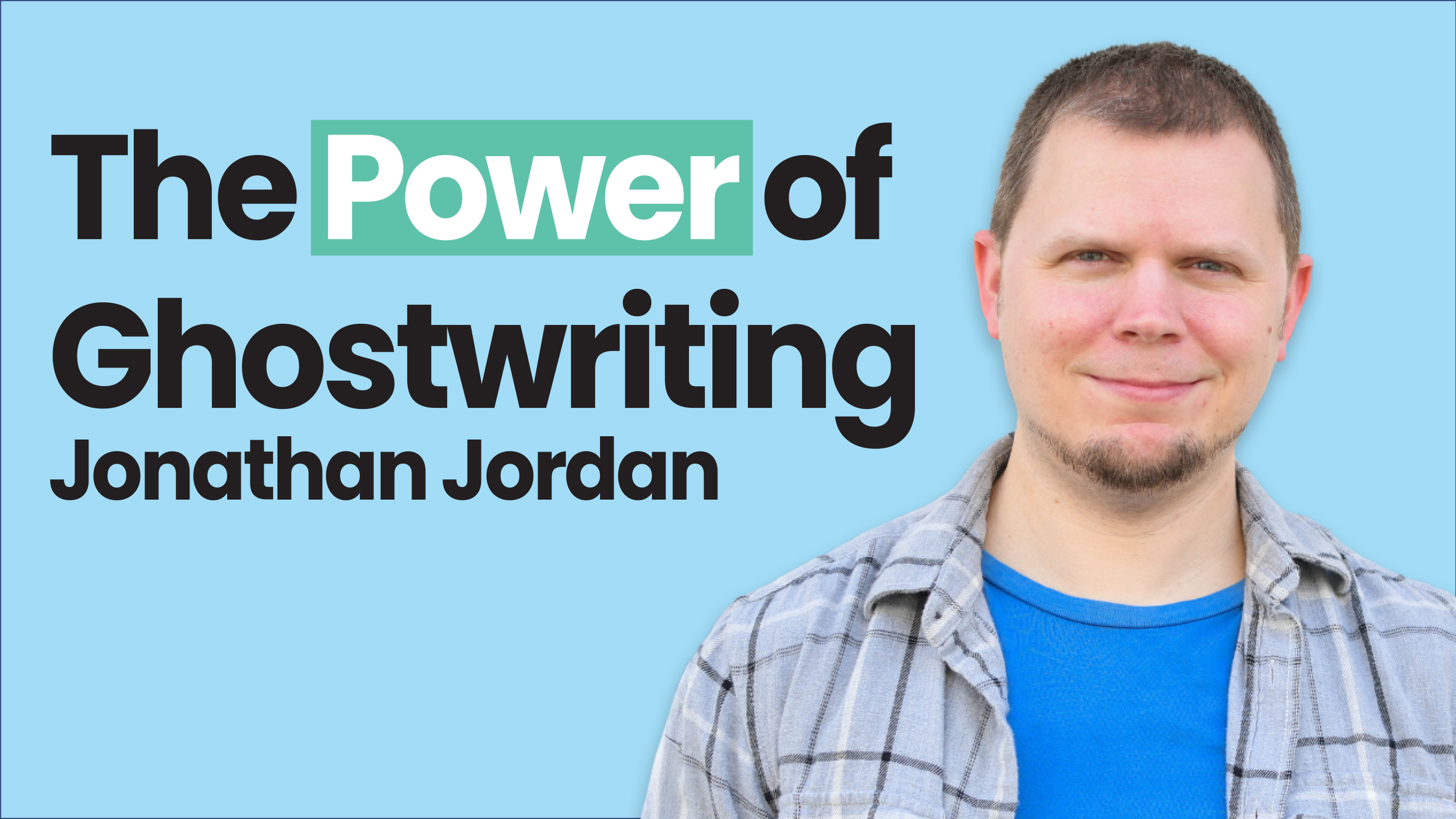
I spoke with my friend Jonathan Jordan about the power of ghostwriting. Not as a shortcut or a shortcut, but as a form of support that helps ideas move rather than remain trapped.
Jonathan’s work isn’t about replacing someone’s voice. It’s about creating structure where there is overwhelm and momentum where there is friction. Helping authors express what they already carry.
Ideas don’t fail because they aren’t good. They fail because they never get fully expressed.
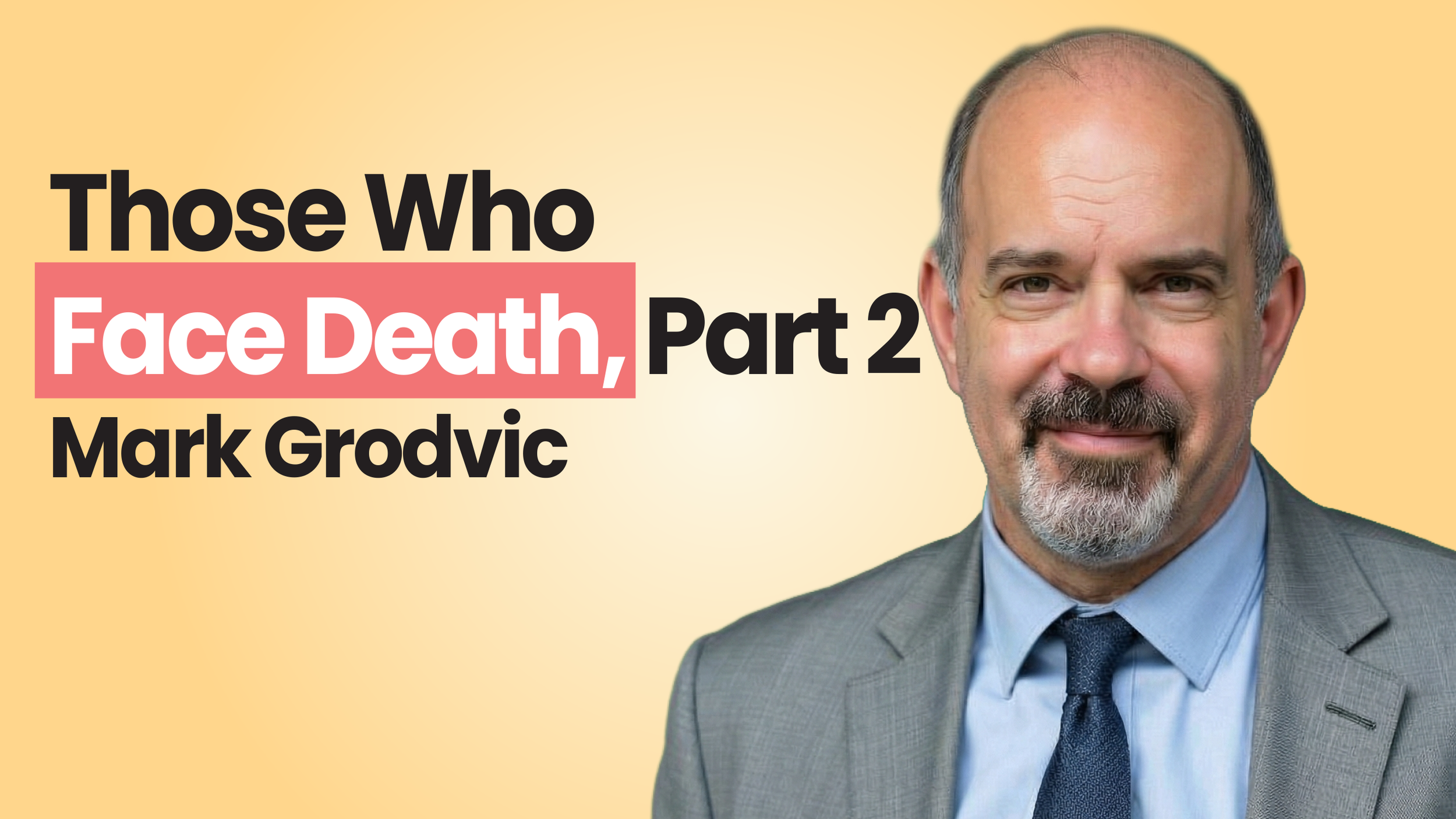
Then I recorded part two of a podcast conversation with my friend Mark Grdovic, PMP
We went deeper this time. Past the surface story. Past the highlights.
We talked about his book, his work, and how intentionally he’s leveraging his story to serve his community. Using the book as a bridge, not a trophy.
What stood out wasn’t polish.
It was infrastructure.
Editors. Collaborators. Conversations. Platforms. Systems.
Not noise. Not waiting. Not hoping.
Building.
The A-Myth promises ease.
What actually works is something quieter and far more reliable.
Systems. Support. Consistency.
The book is not the system. It's an important piece of the system. I'm sure it even helped you not only get clear but have a system, a method to deploy and share.
You are not meant to carry the work alone. Support is part of the strategy.
And when authors stop chasing the myth and start building something that can carry their ideas forward, the story finally moves.
Not as a dramatic reveal.
But as a steady momentum that lasts.
If you need support in the new year to build an amazing author platform and brand, I'm here. Message me, I would love to help.
Have a great week!
-Hussein